Yoga for Cancer Patients and Survivors

Introduction
Cancer is not only a medical condition but also a deeply personal journey that impacts the body, mind, and emotions. Treatments such as chemotherapy, radiation, and surgery—while life-saving—often bring side effects like pain, fatigue, stress, and emotional turbulence.
As part of integrative care, yoga for cancer patients and survivors has emerged as a powerful supportive practice. Gentle movements, breathwork, meditation, and deep relaxation techniques can be adapted to different stages of treatment and recovery, making yoga accessible even to those with limited strength or mobility.
Understanding the Role of Yoga in Cancer Care
Yoga unites body, breath, and mind. In cancer care, it functions as a complementary therapy—not a replacement for medical treatment, but a supportive practice that enhances well-being and resilience.
For patients, yoga provides tools to cope with treatment-related symptoms and emotional challenges. For survivors, it helps restore energy, rebuild strength, and support long-term health.
- Non-invasive: Yoga poses no risk of harm when practiced safely.
- Adaptable: Practices can be tailored to individual ability and treatment stage.
- Holistic: Addresses strength, breath, and mental calm.
- Accessible: Props such as chairs and bolsters make yoga possible for many.

Benefits of Yoga for Cancer Patients and Survivors
- Pain Relief & Physical Comfort: Gentle stretches improve circulation and ease muscle tension—providing comfort without strain.
- Managing Fatigue: Restorative poses and pranayama help increase energy and reduce cancer-related fatigue.
- Stress Reduction & Emotional Support: Mindfulness and meditation lower stress hormones and encourage inner peace.
- Improved Sleep Quality: Practices like Yoga Nidra can reset natural sleep rhythms and improve sleep duration and quality.
- Enhanced Immunity & Healing: Stress reduction balances the endocrine system and supports immune function.
- Better Quality of Life: Yoga fosters empowerment, self-awareness, and a deeper connection to the healing journey.
Methodology: Safe and Gentle Yoga Practices
Yoga for cancer care emphasizes rest, recovery, and adaptability rather than intensity. Practices are low-impact, supportive, and designed to promote healing.
Gentle Asanas (Postures)
Examples include seated forward bend with chair support, supine bound angle pose with bolsters, and gentle cat-cow movements to improve spinal mobility.
Restorative Yoga
Uses props to fully support the body in restful positions held for several minutes—encouraging deep nervous system relaxation.
Guided Relaxation and Meditation
Practices like Yoga Nidra and guided imagery reduce stress and increase mental clarity.
Safety Guidelines
- Always seek medical clearance before starting yoga.
- Avoid strong twists, deep backbends, or high-impact movements.
- Modify poses according to current energy levels and comfort.
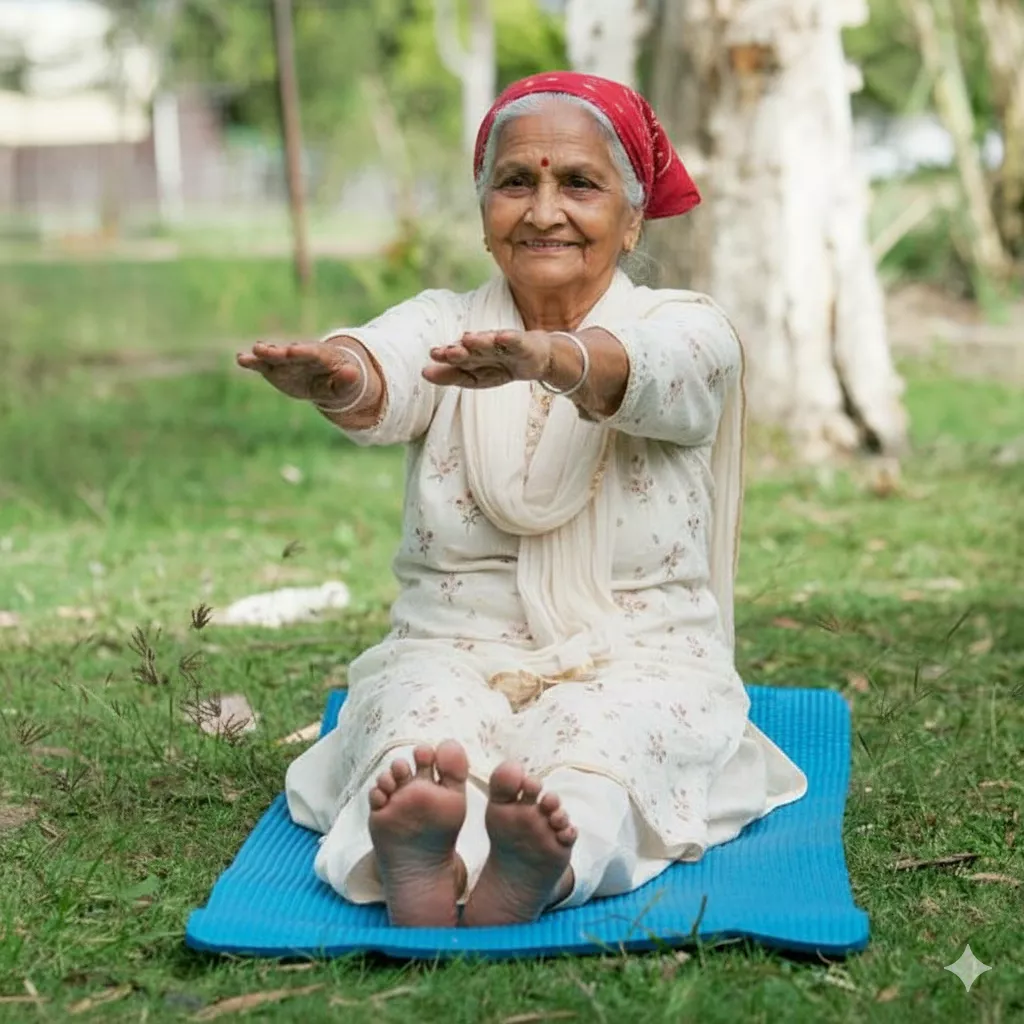
Pain Relief Through Yoga
Yoga addresses cancer-related pain with movement, breath, and mindfulness. Gentle stretches increase circulation, and breath awareness helps the body release tension. Restorative practices also lower sympathetic nervous system activity, reducing pain perception.
Reclining butterfly pose with bolsters, for example, opens the chest and eases lower back tension—helpful for long periods of sitting or lying down.
The Role of Pranayama (Breathwork) in Cancer Care
Pranayama is a cornerstone of yoga for cancer patients and survivors. Breathwork is accessible even to those who are too fatigued for movement, making it valuable throughout treatment and recovery.
Emotional and Psychological Healing
Yoga helps patients address fear of recurrence, identity changes, and uncertainty. Mindfulness builds self-compassion, and group classes provide community support—reducing isolation.
Meditative practices like loving-kindness meditation foster compassion and help patients reconnect with themselves and others.

Integrating Yoga into Cancer Recovery
Incorporate yoga with consistency and gentleness. Combine it with medical care, nutrition, and emotional support for optimal recovery.
Practical Tips
- Start small—10 minutes of gentle breathing or stretching can help.
- Prioritize consistency over intensity—short daily sessions are effective.
- Listen to your body and rest when needed.
- Seek guidance from instructors trained in cancer care yoga.