How Yoga Helps with Hormonal Imbalance such as PCOS, PCOD, and Thyroid

Yoga for Wellness
Yoga is a holistic practice that nurtures both mental and physical health for people of all age groups. Rooted in our ancient Vedic traditions, yoga and asana practice have always been regarded as essential for living a balanced, healthy, and peaceful life.
Regular yoga practice helps in:
- Balancing hormones Promotes flexibility in the spine while calming the mind and improving abdominal circulation.
- Managing lifestyle disorders like thyroid and diabetes naturally.
- Improving flexibility, strength, and immunity, promoting overall body wellness.
- Reducing stress and anxiety, bringing calmness and mental clarity.
- Enhancing daily life routine by aligning body, mind, and soul for inner harmony.
Specific Yoga Poses for PCOS, PCOD, and Thyroid
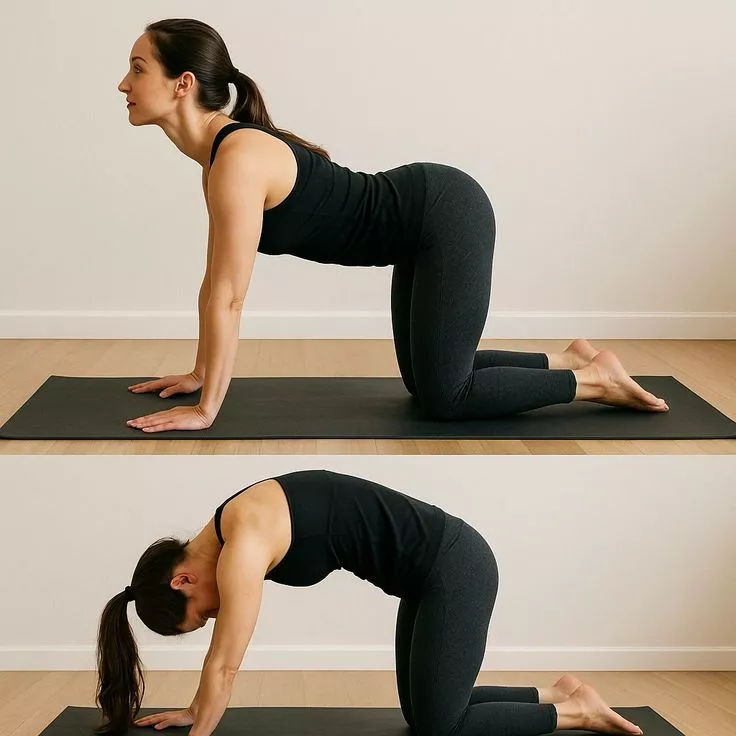
- 1. Cat-Cow Pose: Promotes flexibility in the spine while calming the mind and improving abdominal circulation.
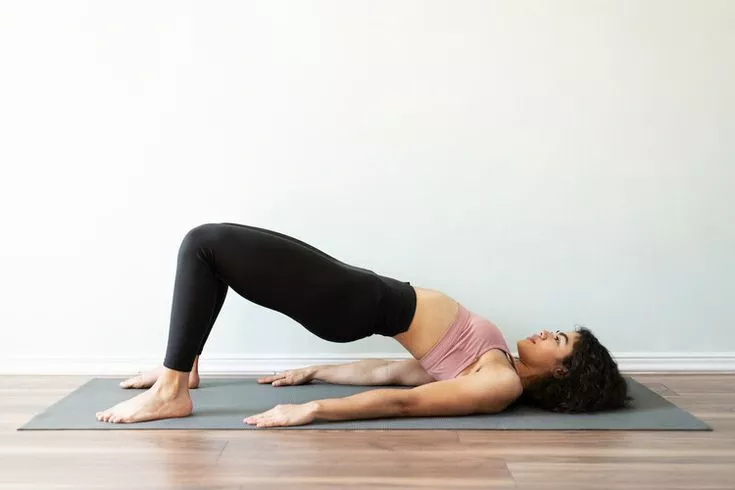
- 2. Bridge Pose: Opens up the hips and strengthens the pelvic floor, enhancing blood flow to reproductive organs.
- 3. Child’s Pose: Encourages deep relaxation, reduces stress, and relieves tension in the back and mind.
- 4. Legs-Up-the-Wall Pose: Beneficial for thyroid regulation, this restorative pose boosts energy and improves circulation.
The Benefits of Incorporating Yoga into Your Routine
Incorporating yoga into your routine can transform more than just your physical health. It helps create a sense of balance essential for managing hormonal imbalances like PCOS and thyroid issues.
Yoga encourages mindfulness, boosts circulation, and enhances hormone regulation through stimulation of the endocrine system. Many practitioners report improved sleep quality, emotional stability, and reduced anxiety—all of which support hormonal balance.
Tips for Beginners Starting a Yoga Practice for Hormonal Balance
Starting yoga can feel overwhelming, but small consistent steps make all the difference. Begin with 10–15 minute sessions focusing on deep breathing and gentle movements.
Choose beginner-friendly poses like Child’s Pose and Cat-Cow, and always listen to your body. Create a peaceful practice environment and keep a journal to track changes in your mood and well-being as you progress.
Success Stories and Research on Yoga for Hormonal Balance
Many success stories highlight how yoga helps women manage PCOS and thyroid-related issues. Research shows regular practice reduces cortisol levels, improves insulin resistance, and stabilizes menstrual cycles.
Practitioners also report clearer skin, better mood, and reduced hair loss—proving yoga’s power as a holistic solution for hormone regulation and stress reduction.